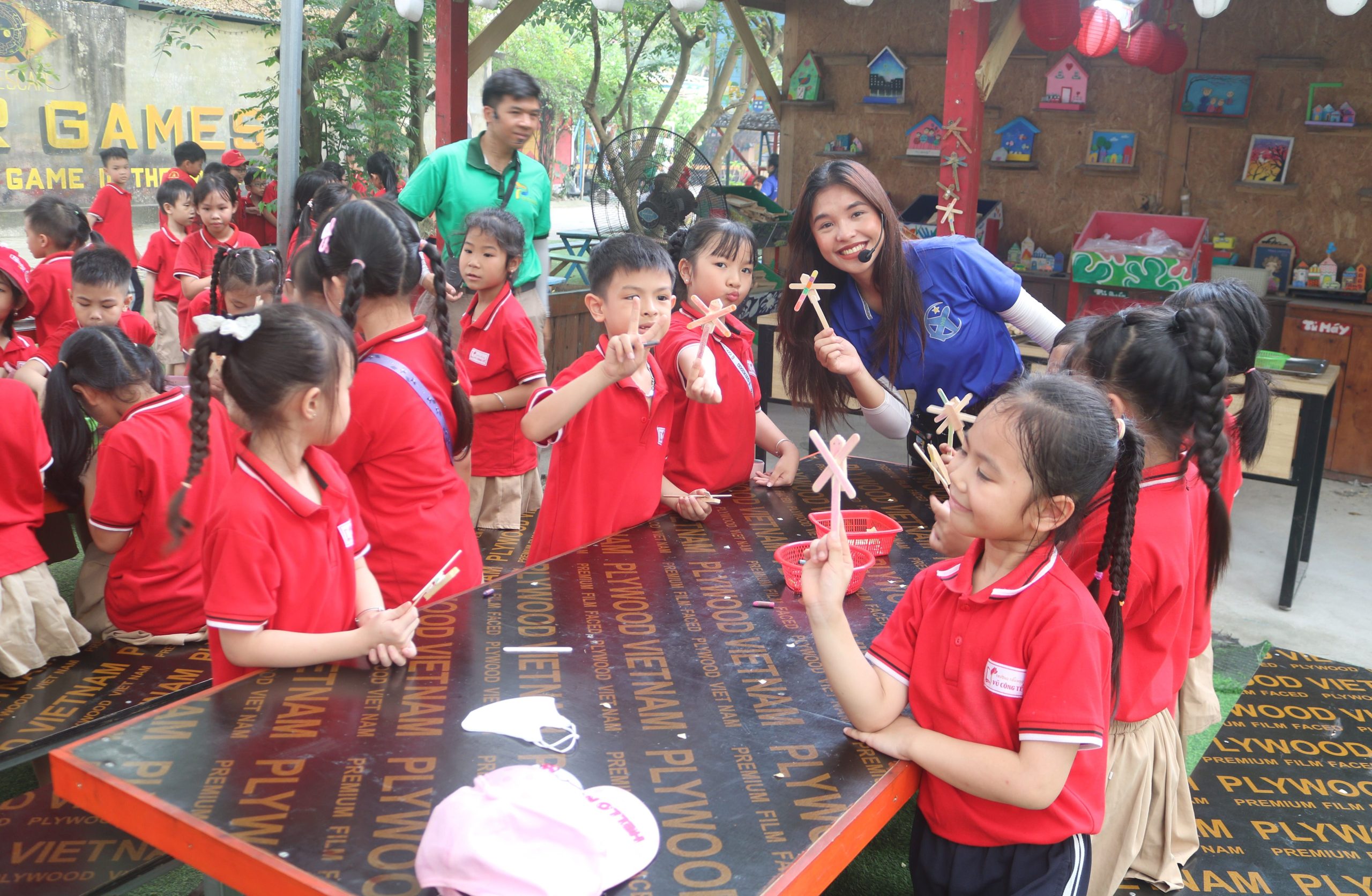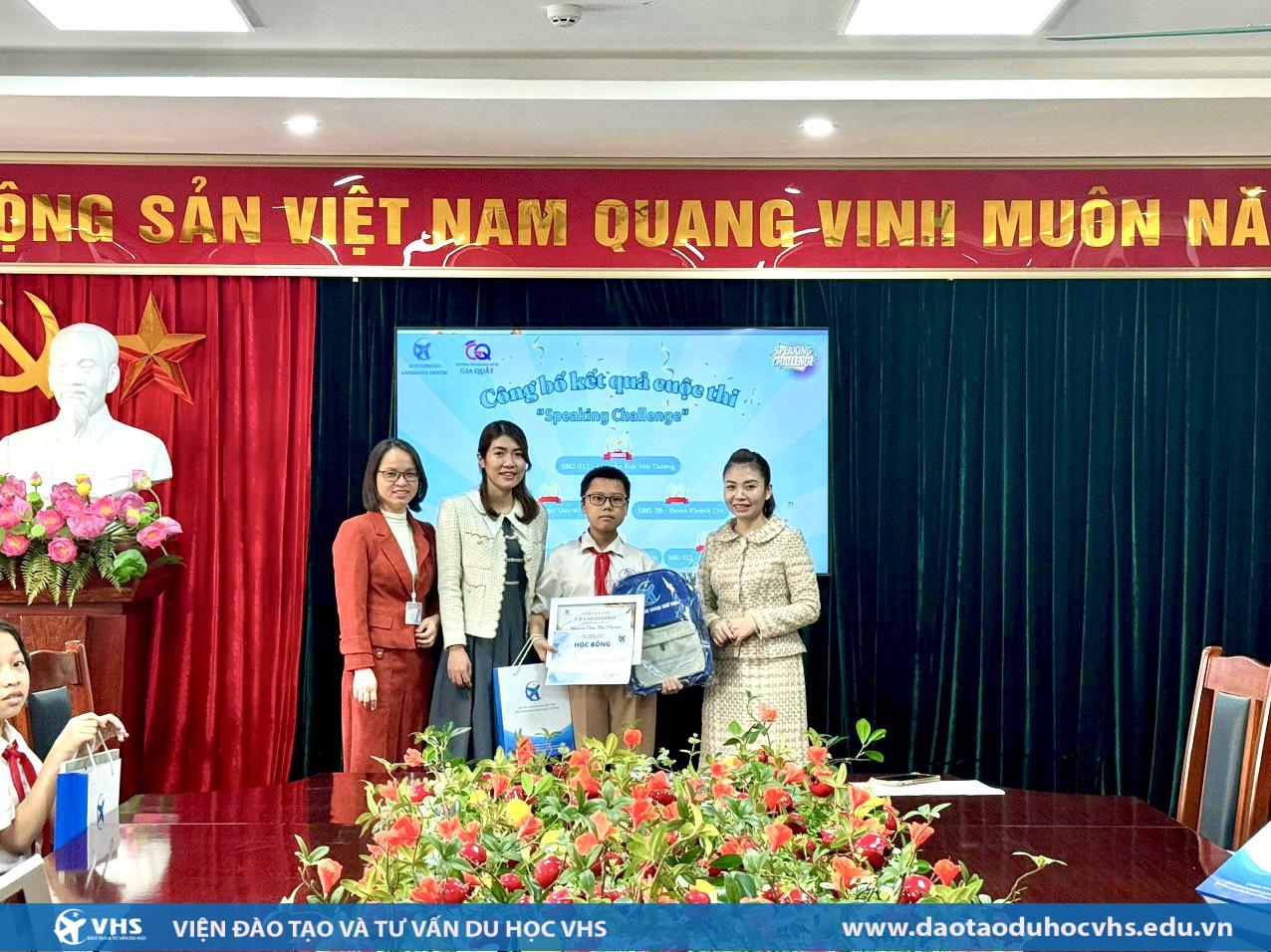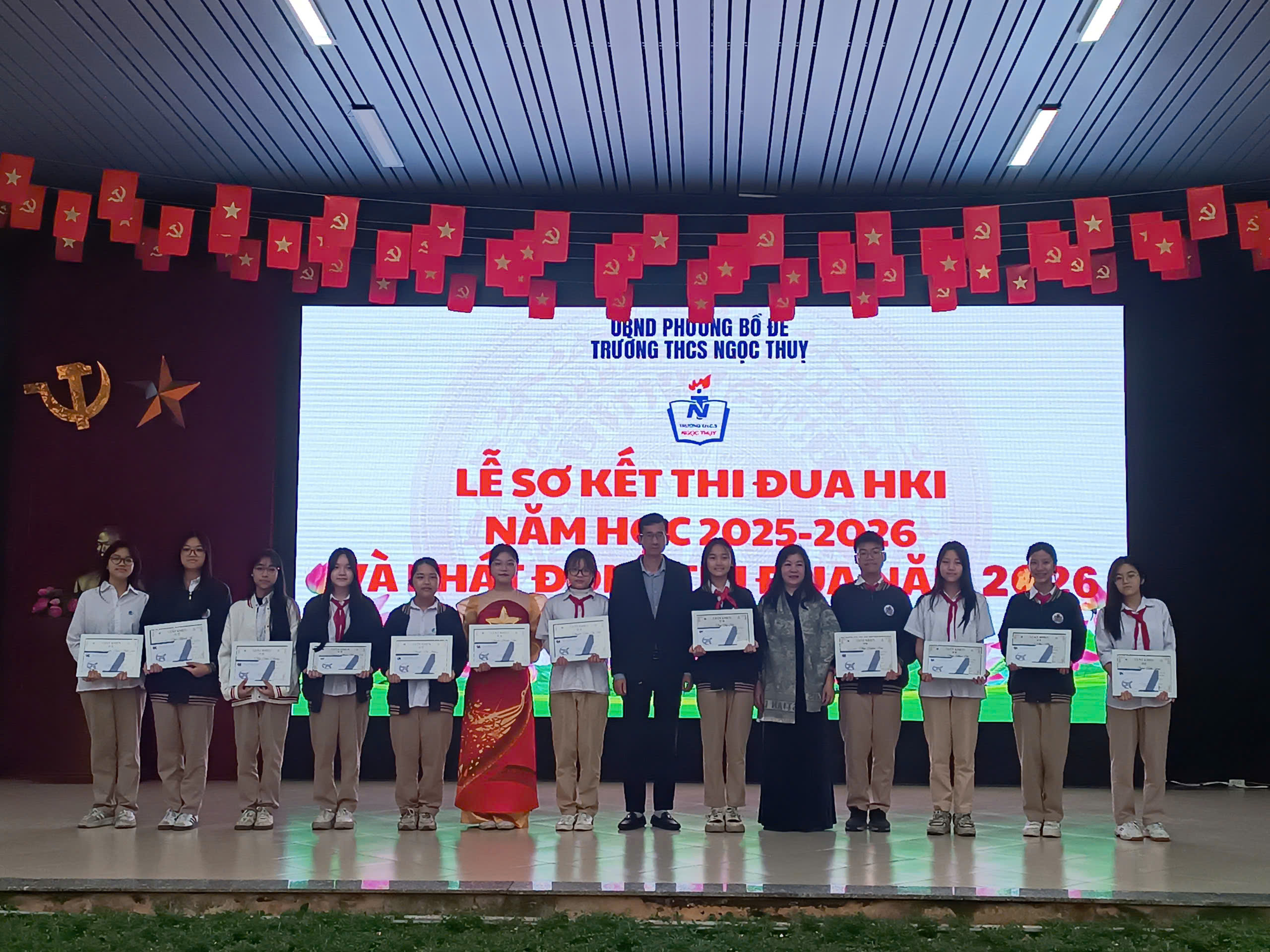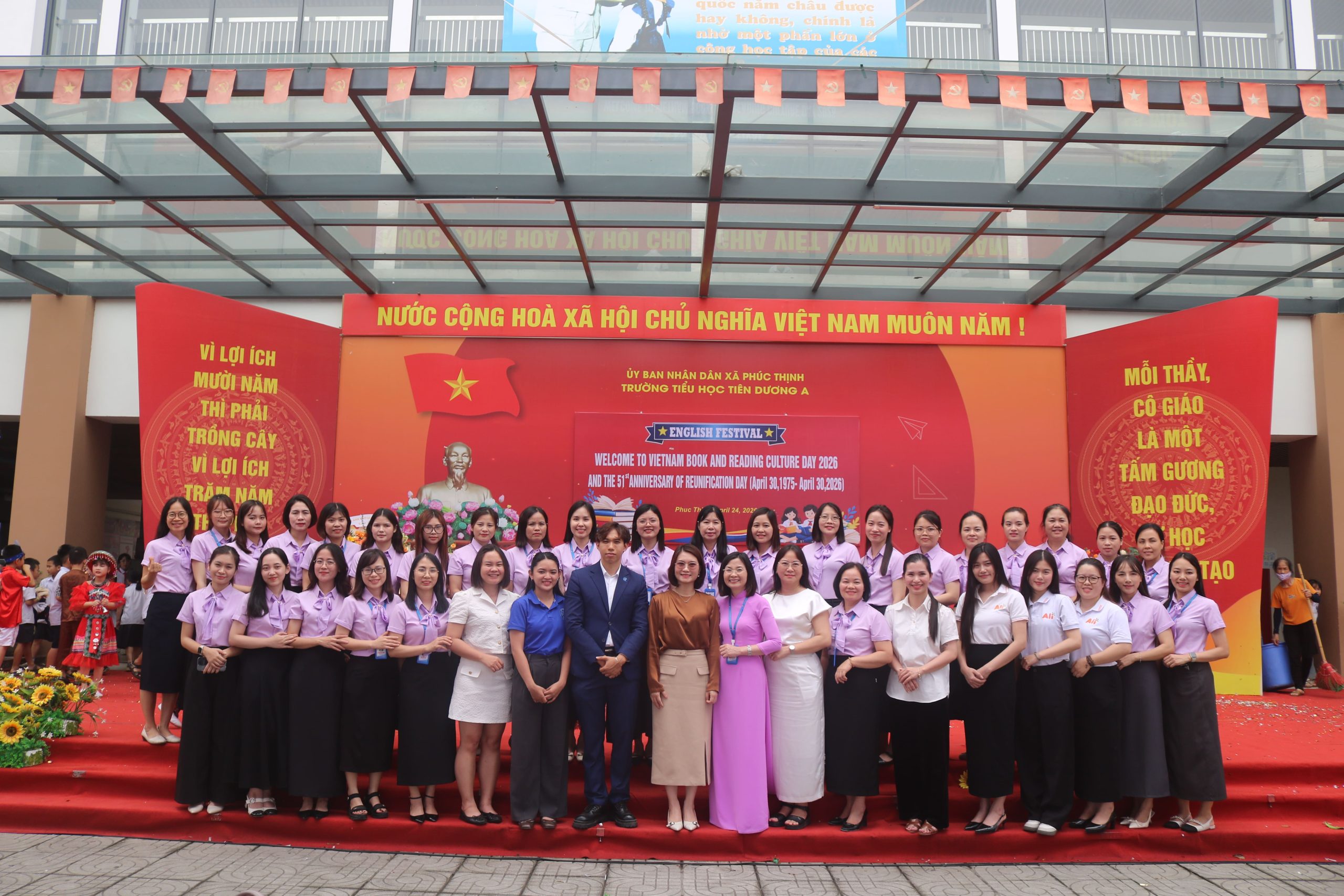
Những năm đầu đời là giai đoạn trẻ có khả năng tiếp nhận âm thanh, ngôn ngữ và hình thành thói quen giao tiếp một cách tự nhiên. Đây cũng là thời điểm phù hợp để trẻ bắt đầu làm quen với ngoại ngữ thông qua những hoạt động nhẹ nhàng, gần gũi và phù hợp với lứa tuổi. Với tiếng Anh mầm non, trẻ không nhất thiết phải bắt đầu bằng việc ghi nhớ thật nhiều từ vựng hay những cấu trúc phức tạp. Quan trọng hơn là được nghe tiếng Anh thường xuyên, được tương tác và có cơ hội sử dụng ngôn ngữ trong những tình huống quen thuộc.
Đặc biệt, việc tiếp xúc với giáo viên nước ngoài từ sớm có thể mang đến cho trẻ những trải nghiệm giao tiếp tự nhiên hơn. Trẻ được làm quen với cách phát âm, ngữ điệu và cách sử dụng tiếng Anh trong thực tế, đồng thời dần hình thành sự tự tin khi giao tiếp.
Với định hướng đưa ngoại ngữ đến gần hơn với trẻ, Ngoại ngữ VHS chú trọng xây dựng môi trường học tập tích cực, nơi trẻ có thể học thông qua tương tác, trải nghiệm và những hoạt động phù hợp với độ tuổi.
The early years of childhood are an important time for developing language, listening, and communication skills. At this age, children naturally learn by listening, observing, imitating, and interacting with the people around them. This makes early exposure to a new language a valuable part of their learning journey.
For English for preschoolers, the goal does not have to be memorizing large amounts of vocabulary or learning complex grammar. More importantly, children need opportunities to hear English regularly, interact with others, and use the language in simple, familiar situations.
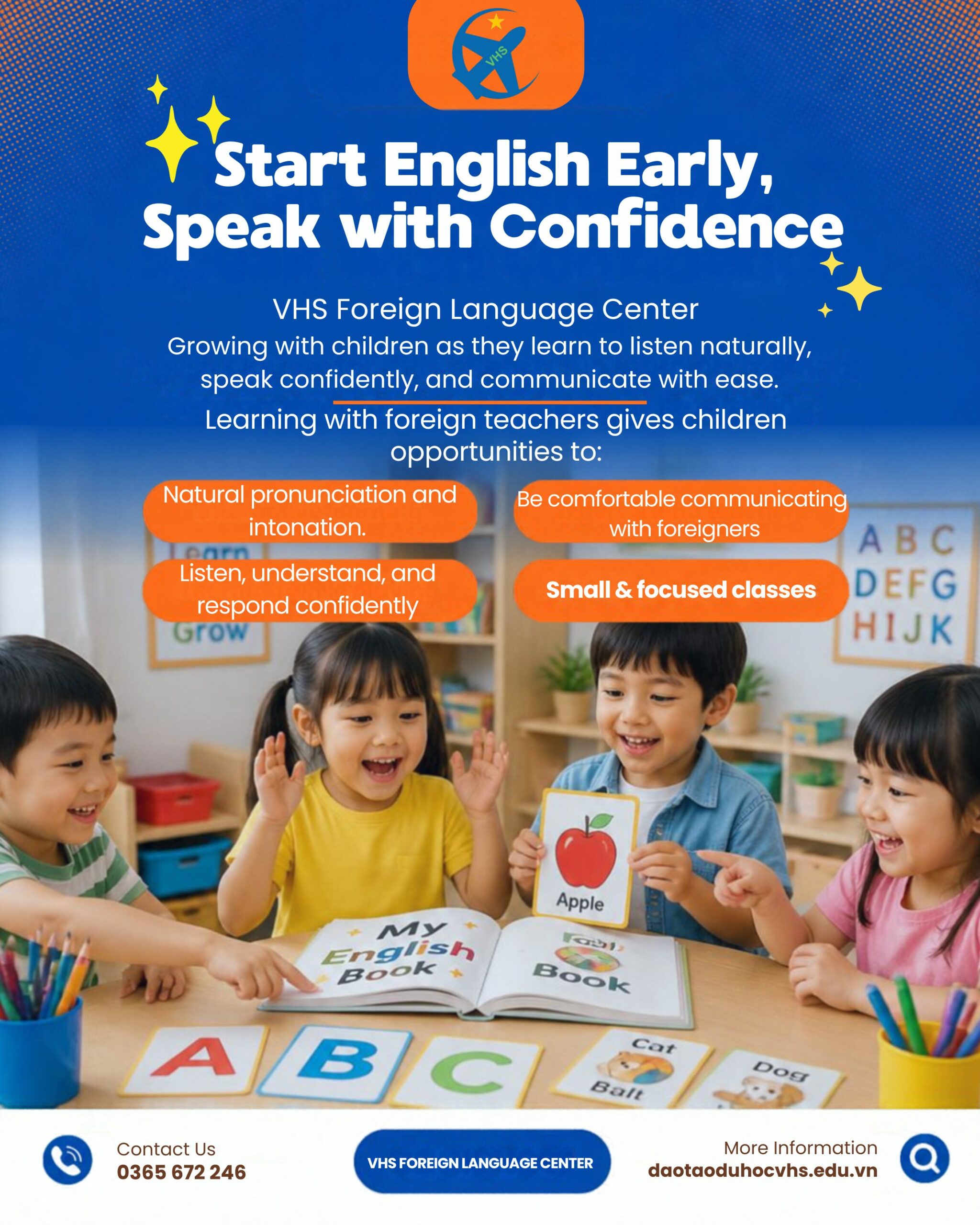
Early interaction with foreign teachers can make this experience even more meaningful. Children become familiar with natural English pronunciation and intonation while gradually developing their listening responses and confidence in communication.
With a focus on making foreign languages more accessible to young learners, VHS Foreign Language Center aims to create a positive learning environment where children can experience English through interaction, exploration, and age-appropriate activities.
—
Vì sao nên cho trẻ học tiếng Anh từ sớm?
Trẻ nhỏ thường tiếp nhận ngôn ngữ thông qua việc lắng nghe, quan sát, bắt chước và tương tác với những người xung quanh. Đây là cách học tự nhiên, giúp trẻ từng bước hình thành khả năng nhận diện âm thanh và hiểu ngôn ngữ thông qua ngữ cảnh.
Vì vậy, học tiếng Anh mầm non không nên được hiểu đơn giản là cho trẻ học trước chương trình của các cấp học sau. Mục tiêu quan trọng hơn là tạo cho trẻ một môi trường tiếp xúc với tiếng Anh đủ thường xuyên để ngôn ngữ trở nên quen thuộc.
Một bài hát, câu chuyện, trò chơi hay cuộc hội thoại ngắn đều có thể trở thành một bài học. Khi được lặp lại trong những tình huống khác nhau, trẻ dần ghi nhớ cách sử dụng từ và câu mà không cảm thấy mình đang phải “học thuộc”.
Đó cũng là nền tảng để tiếng Anh trẻ em trở thành một trải nghiệm tích cực ngay từ những năm đầu đời.
1. Tiếng Anh mầm non giúp trẻ quen với nhiều giọng nói và ngữ điệu
Trong giao tiếp thực tế, tiếng Anh không chỉ có một giọng phát âm duy nhất. Mỗi người có thể có tốc độ nói, ngữ điệu và cách nhấn âm khác nhau.
Khi được tiếp xúc thường xuyên với giáo viên nước ngoài, trẻ có cơ hội nghe tiếng Anh với cách phát âm và ngữ điệu tự nhiên. Những câu nói đơn giản như:
- “Good morning!”
- “How are you?”
- “What color is it?”
- “Let’s play!”
- “Can you show me?”
có thể xuất hiện trong nhiều hoạt động khác nhau của lớp học.
Ban đầu, trẻ có thể chỉ nghe và bắt chước một vài từ quen thuộc. Sau đó, trẻ dần nhận diện được âm thanh, hiểu ý nghĩa thông qua ngữ cảnh và biết phản hồi khi cần thiết.
Đây là một lợi thế của tiếng Anh mầm non: trẻ được làm quen với ngôn ngữ bằng tai và trải nghiệm giao tiếp trước khi đi sâu vào những kiến thức mang tính học thuật.
2. Hình thành phản xạ nghe và giao tiếp tự nhiên
Một trong những mục tiêu quan trọng của học tiếng Anh từ sớm là giúp trẻ hình thành phản xạ với ngôn ngữ.
Ví dụ, khi giáo viên hỏi “What color is it?”, trẻ có thể trả lời “Red” hoặc “Blue”. Khi được hỏi “How are you?”, trẻ có thể đáp lại “I’m happy” hoặc một câu trả lời đơn giản khác.
Những cuộc hội thoại ngắn như vậy nếu được lặp lại thường xuyên sẽ giúp trẻ hiểu rằng tiếng Anh được sử dụng để giao tiếp, không chỉ để ghi nhớ từ mới.
Với tiếng Anh cho trẻ em, việc trẻ dám nghe, dám trả lời và dám sử dụng những gì mình biết đôi khi quan trọng hơn việc trẻ nói một câu thật dài hoặc chính xác ngay từ lần đầu.
Đây cũng là lý do môi trường tương tác đóng vai trò quan trọng trong quá trình học tiếng Anh mầm non.
3. Giúp trẻ giảm tâm lý e ngại khi gặp người nước ngoài
Không phải trẻ nào cũng sẵn sàng giao tiếp với người nước ngoài ngay từ lần đầu tiên. Sự khác biệt về giọng nói, ngoại hình hay cách giao tiếp có thể khiến trẻ cảm thấy xa lạ và dè dặt.
Việc thường xuyên tiếp xúc với giáo viên nước ngoài từ sớm giúp hình ảnh này trở nên quen thuộc hơn.
Trong một lớp học tiếng Anh mầm non, giáo viên có thể tạo sự kết nối với trẻ thông qua những hoạt động đơn giản như hát, chơi, kể chuyện, vận động hoặc trò chuyện.
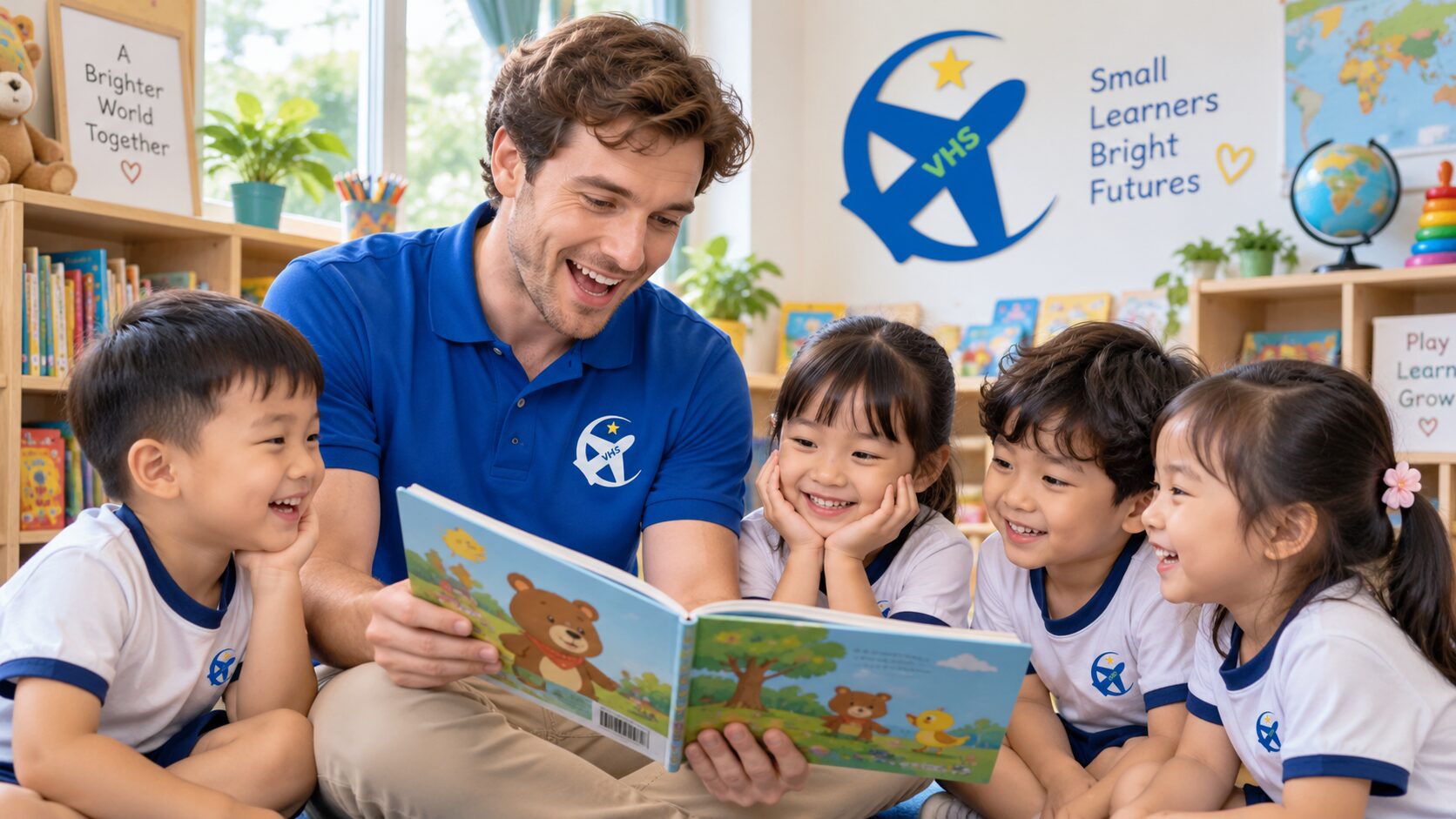
Khi cảm thấy thoải mái, trẻ sẽ dễ chủ động hơn. Một lời chào, một câu trả lời ngắn hay đơn giản là việc chủ động tương tác với giáo viên đều là những bước tiến đáng khích lệ.
Quan trọng hơn, trẻ dần hiểu rằng mình không cần phải nói tiếng Anh hoàn hảo mới có thể giao tiếp.
4. Tạo môi trường sử dụng tiếng Anh tự nhiên ngay từ nhỏ
Trẻ mầm non thường học tốt khi kiến thức được gắn với những hoạt động mà trẻ yêu thích. Vì vậy, một môi trường tiếng Anh mầm non hiệu quả nên tạo ra nhiều cơ hội để trẻ nghe và sử dụng ngôn ngữ trong quá trình vui chơi, khám phá.
Một bài hát có thể giúp trẻ ghi nhớ từ mới. Một câu chuyện có thể giúp trẻ làm quen với cách diễn đạt. Một trò chơi vận động có thể trở thành cơ hội để trẻ nghe và thực hiện hướng dẫn bằng tiếng Anh.
Chẳng hạn, giáo viên có thể sử dụng những câu quen thuộc như “Stand up”, “Sit down”, “Let’s jump” hay “Show me your picture” trong quá trình tổ chức hoạt động.
Khi nghe những câu nói này nhiều lần trong những ngữ cảnh khác nhau, trẻ có thể dần hiểu ý nghĩa mà không cần dịch từng từ sang tiếng Việt.
Đó chính là cách tiếng Anh cho trẻ em trở nên gần gũi: trẻ học thông qua trải nghiệm thay vì cảm thấy mình đang phải tiếp thu một lượng kiến thức lớn.
5. Tiếng Anh mầm non nên bắt đầu từ niềm vui và sự tò mò
Ở lứa tuổi mầm non, cảm xúc của trẻ có ảnh hưởng lớn đến trải nghiệm học tập. Một giờ học quá nặng về ghi nhớ có thể khiến trẻ nhanh mất hứng thú, trong khi những hoạt động vui vẻ và có tính tương tác lại dễ tạo động lực để trẻ tham gia.
Vì vậy, chương trình tiếng Anh mầm non nên hướng đến sự cân bằng giữa làm quen ngôn ngữ và trải nghiệm.
Trẻ có thể học từ mới thông qua hình ảnh, nghe tiếng Anh qua bài hát, luyện phản xạ bằng trò chơi hoặc thực hành giao tiếp qua những tình huống đơn giản.
Điều quan trọng là trẻ cảm thấy tiếng Anh là một điều thú vị để khám phá.
Khi niềm yêu thích được hình thành, việc học tiếng Anh mầm non sẽ trở nên nhẹ nhàng hơn và tạo tiền đề tích cực cho những năm học tiếp theo.
6. Định hướng tiếng Anh mầm non tại Ngoại ngữ VHS
Với định hướng phát triển năng lực ngoại ngữ gắn với trải nghiệm thực tế, Ngoại ngữ VHS hướng tới việc xây dựng môi trường học tập thân thiện, phù hợp với đặc điểm tâm lý và khả năng tiếp nhận của trẻ nhỏ.
Trong quá trình làm quen với tiếng Anh, trẻ có thể được tiếp cận ngôn ngữ thông qua nhiều hình thức như trò chơi, âm nhạc, hình ảnh, vận động, kể chuyện và giao tiếp trực tiếp với giáo viên.
Đặc biệt, sự tương tác với giáo viên nước ngoài tạo thêm cơ hội để trẻ nghe và sử dụng tiếng Anh trong những tình huống gần gũi. Giáo viên không chỉ truyền đạt ngôn ngữ mà còn khuyến khích trẻ quan sát, phản hồi và chủ động thể hiện bản thân.
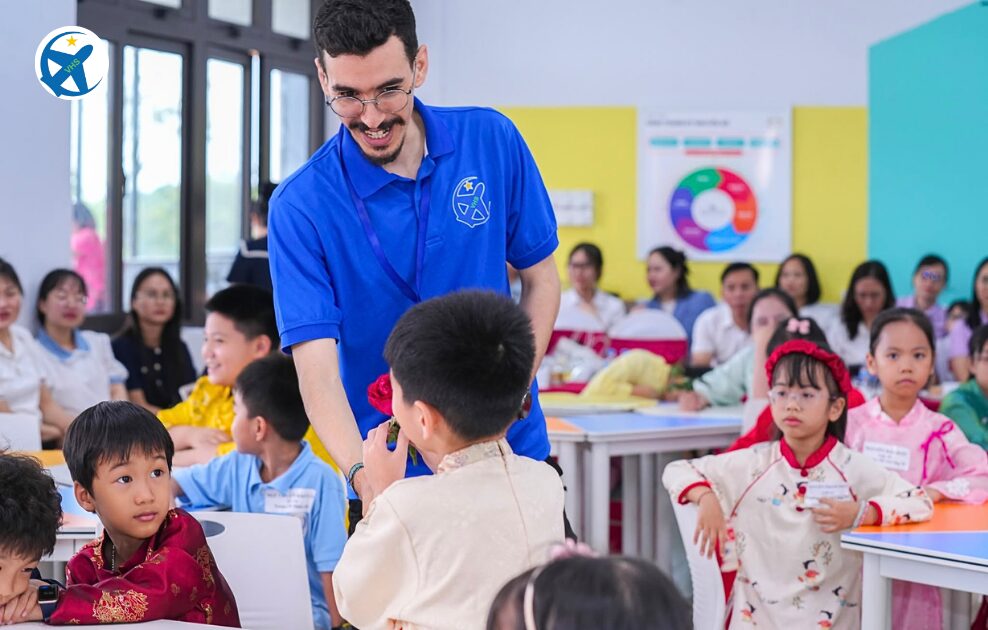
Với VHS, việc học tiếng Anh từ sớm không đặt nặng mục tiêu trẻ phải sử dụng những câu nói phức tạp. Thay vào đó, trẻ được khuyến khích bắt đầu từ những điều đơn giản nhất: nghe quen, hiểu dần, mạnh dạn trả lời và từng bước tự tin giao tiếp.
Đây cũng là cách VHS hướng đến một môi trường tiếng Anh trẻ em tích cực, nơi mỗi giờ học đều có thể trở thành một trải nghiệm vui vẻ và có ý nghĩa.
7. Học tiếng Anh từ sớm tạo nền tảng cho những năm học tiếp theo
Cho trẻ làm quen với ngoại ngữ từ sớm không đồng nghĩa với việc tạo thêm áp lực học tập.
Nếu được tổ chức phù hợp, tiếng Anh mầm non có thể trở thành một phần tự nhiên trong quá trình vui chơi và khám phá của trẻ.
Việc thường xuyên nghe tiếng Anh, tương tác với giáo viên nước ngoài và tham gia các hoạt động giao tiếp giúp trẻ từng bước:
- Làm quen với âm thanh và ngữ điệu tiếng Anh.
- Phát triển khả năng nghe hiểu.
- Hình thành phản xạ giao tiếp đơn giản.
- Tăng sự tự tin khi sử dụng ngoại ngữ.
- Giảm tâm lý e ngại khi gặp người nước ngoài.
- Xây dựng thói quen tiếp xúc với tiếng Anh từ sớm.
Những nền tảng này có thể hỗ trợ trẻ khi bước vào tiểu học, khi việc học tiếng Anh bắt đầu có yêu cầu rõ ràng hơn về từ vựng, ngữ pháp và các kỹ năng ngôn ngữ.
Ngoại ngữ VHS – Đồng hành cùng trẻ trên hành trình làm quen với tiếng Anh
Những trải nghiệm đầu tiên có thể ảnh hưởng đáng kể đến thái độ của trẻ đối với việc học ngoại ngữ sau này. Vì vậy, bên cạnh kiến thức, một môi trường học tập phù hợp và người giáo viên biết cách tạo kết nối cũng là những yếu tố cần được quan tâm.
Với Ngoại ngữ VHS, hành trình học tiếng Anh mầm non được định hướng theo tinh thần gần gũi, tích cực và khuyến khích trẻ chủ động tương tác.
Từ một lời chào, một bài hát, một trò chơi cho đến những câu hội thoại ngắn cùng giáo viên, mỗi trải nghiệm đều giúp trẻ có thêm cơ hội nghe và sử dụng tiếng Anh.
Tiếng Anh mầm non không cần bắt đầu bằng áp lực. Hãy bắt đầu bằng sự tò mò, niềm vui và những tương tác tự nhiên.
Đó cũng là nền tảng để trẻ từng bước nghe quen – nói tự nhiên – giao tiếp tự tin và hình thành tình yêu với ngoại ngữ cùng Ngoại ngữ VHS.
(ENGLISH)
Why Should Children Start Learning English Early?
Young children tend to acquire language through listening, observation, imitation, and interaction. Unlike older learners, they do not necessarily need to analyze grammar rules or translate every sentence in order to understand a new language.
This is why preschool English should not simply mean introducing children to more academic content at an earlier age. Instead, the focus can be on creating regular and enjoyable opportunities for children to hear and experience English.
A song, story, game, or simple conversation can all become a learning opportunity. When language is repeated naturally in different situations, children can gradually understand and remember how words and expressions are used without feeling that they are being asked to memorize them.
This creates a positive foundation for English for children from the very beginning.
1. English for Preschoolers Helps Children Become Familiar with Different Voices and Intonation
In real-life communication, English can sound different depending on the speaker, pace, pronunciation, and intonation.
Regular interaction with foreign teachers gives children opportunities to hear English spoken naturally. Simple expressions such as:
- “Good morning!”
- “How are you?”
- “What color is it?”
- “Let’s play!”
- “Can you show me?”
can be incorporated into different classroom activities.
At first, children may simply listen and imitate a few familiar words. Over time, they can gradually recognize sounds, understand meaning from context, and respond appropriately.
This is one of the key benefits of English for preschoolers: children become familiar with the language through listening and real interaction before moving into more academic aspects of language learning.
2. Building Natural Listening and Communication Responses
One important goal of learning English early is to help children gradually develop natural responses to the language.
For example, when a teacher asks, “What color is it?”, a child may answer “Red” or “Blue.” When asked, “How are you?”, the child may respond, “I’m happy,” or give another simple answer.
Short exchanges like these, when repeated across different activities, help children understand that English is a means of communication—not simply a collection of words to memorize.
For English for children, being willing to listen, respond, and use what they know can be more important than producing long or perfectly accurate sentences from the beginning.
This is also why interaction plays such an important role in preschool English.
3. Helping Children Feel More Comfortable Around Foreign Teachers
Not every child feels comfortable communicating with a foreigner for the first time. An unfamiliar accent, appearance, or way of speaking may initially make a child feel shy or hesitant.
Regular interaction with foreign teachers from an early age can help make these experiences feel more familiar and comfortable.
In a preschool English classroom, teachers can build connections with children through simple activities such as singing, playing, storytelling, movement, and short conversations.
As children become more comfortable, they may be more willing to participate and communicate. A simple greeting, a short answer, or an attempt to interact with the teacher can all be meaningful steps forward.
Most importantly, children gradually learn that they do not have to speak English perfectly in order to communicate.
4. Creating a Natural English-Speaking Environment from an Early Age
Young children often learn best when new knowledge is connected to activities they enjoy. Therefore, an effective English for preschoolers environment should provide plenty of opportunities to hear and use English while children play, explore, and interact.
A song can introduce new vocabulary. A story can expose children to everyday expressions. A movement game can encourage children to listen and respond to simple instructions in English.
For example, teachers may use familiar expressions such as “Stand up,” “Sit down,” “Let’s jump,” or “Show me your picture” while guiding classroom activities.
When children hear these expressions repeatedly in different contexts, they can gradually understand their meaning without having to translate every word into their first language.
This is what makes English for children more approachable: children learn through experience rather than feeling that they have to absorb a large amount of information at once.
5. Preschool English Should Begin with Curiosity and Enjoyment
At the preschool age, children’s emotions can have a strong influence on their learning experience. A class that relies too heavily on memorization may quickly become tiring, while enjoyable and interactive activities can encourage children to participate more actively.
For this reason, a preschool English program should aim to balance language exposure with meaningful experiences.
Children can learn new vocabulary through pictures, listen to English through songs, develop their responses through games, and practice communication through simple everyday situations.
The goal is to help children see English as something enjoyable and interesting to explore.
When positive feelings toward the language are established early, learning English can become a more natural and enjoyable experience while creating a strong foundation for future learning.
6. VHS Foreign Language Center’s Approach to English for Preschoolers
With a focus on developing language skills through practical experiences, VHS Foreign Language Center aims to create a friendly learning environment that reflects young children’s developmental needs and natural ways of learning.
Children can be introduced to English through a variety of activities, including games, music, visual materials, movement, storytelling, and direct interaction with teachers.
Interaction with foreign teachers can provide additional opportunities for children to hear and use English in familiar situations. Teachers can do more than introduce language; they can encourage children to observe, respond, participate, and express themselves.
At VHS, learning English early is approached without placing pressure on children to produce complicated sentences. Instead, children are encouraged to start with simple steps: becoming familiar with English sounds, gradually understanding meaning, responding with confidence, and taking part in communication.
This reflects VHS’s broader approach to creating a positive English learning environment for children, where every lesson can become an opportunity to learn, explore, and enjoy using a new language.
7. Early English Exposure Builds a Foundation for Future Learning
Introducing children to English at an early age does not have to mean adding academic pressure.
When designed appropriately, English for preschoolers can become a natural part of children’s play, exploration, and everyday learning experiences.
Regular exposure to English, interaction with foreign teachers, and participation in communication-based activities can gradually help children:
- Become familiar with English sounds and intonation.
- Develop listening comprehension.
- Build simple communication responses.
- Become more confident using English.
- Feel more comfortable interacting with foreign teachers.
- Develop a positive habit of engaging with English from an early age.
These foundations can support children as they move into primary school, where English learning becomes more structured and increasingly focused on vocabulary, grammar, and language skills.
VHS Foreign Language Center – Supporting Children’s First Steps in English
A child’s early experiences can have a meaningful influence on how they feel about learning a foreign language in the future. Alongside language knowledge, a supportive learning environment and teachers who know how to connect with young learners are equally important.
At VHS Foreign Language Center, the journey of learning English early is approached with a focus on positive experiences, meaningful interaction, and children’s confidence.
From a simple greeting and a song to a fun classroom game or a short conversation with a teacher, every experience gives children another opportunity to listen to and use English.
English for preschoolers does not have to begin with pressure. It can begin with curiosity, enjoyment, and natural interaction.
These early experiences can help children gradually listen with confidence, respond naturally, communicate more comfortably, and develop a positive attitude toward learning English with VHS Foreign Language Center.
Frequently Asked Questions About English for Preschoolers
1. What age should children start learning English?
Children can begin becoming familiar with English from an early age through age-appropriate activities such as songs, games, stories, and simple communication. The key is to provide a supportive environment that keeps learning enjoyable and pressure-free.
2. Why should children interact with foreign teachers from an early age?
Interaction with foreign teachers gives children opportunities to hear natural English pronunciation and intonation while becoming more comfortable communicating with people who regularly use English.
3. Does preschool English need to include grammar lessons?
At the preschool stage, the focus is generally better placed on listening, understanding, simple vocabulary, everyday expressions, and communication responses. Children do not need to spend extensive time analyzing grammar rules at this age.
4. How can parents help children learn English without pressure?
Parents can create positive exposure to English through songs, stories, picture books, games, and simple everyday expressions. Encouraging children to try speaking, rather than expecting perfect accuracy from the beginning, can also help build confidence.
5. What are the benefits of English for preschoolers?
Early English exposure can help children become familiar with English sounds and intonation, develop listening skills, build simple communication responses, and become more confident using a foreign language.
6. Is learning English with a foreign teacher better than learning with a Vietnamese teacher?
The two approaches can complement each other. Foreign teachers can provide opportunities for children to hear and use English naturally, while Vietnamese teachers can support understanding and provide guidance that is appropriate to children’s learning needs.
7. How does VHS Foreign Language Center approach English for children?
VHS Foreign Language Center aims to create a friendly, interactive learning environment where children can experience English through age-appropriate activities. The focus is on helping children develop interest, confidence, and natural responses as they become familiar with the language.
VHS FOREIGN LANGUAGE CENTER
Nurturing Language Talents & Inspiring a Passion for Learning
Head Office: Lot 33, 319 Hong Tien Townhouse Area, Long Bien, Hanoi
Website: www.daotaoduhocvhs.edu.vn
TikTok: https://www.tiktok.com/@vhsacademy68
Facebook: https://www.facebook.com/daotaotuvanduhocVHS
Hotline/Zalo: 0365 672 246